|
|
|
|
|
From the desk of Dr Nandita Shah...
|
It’s hard to believe that dairy could be harmful—especially since most of us grew up believing it was essential for calcium and protein. And therein lies the problem: what we’ve been taught doesn’t always match the truth.
Let’s pause and think. Every mammal produces milk solely for its young, and the composition of that milk is tailored to its own species. You wouldn’t feed a puppy cow’s milk—it’s simply not suited to its needs. Similarly, infants who cannot have their mother’s milk are given specially formulated alternatives, because cow’s milk is made for calves, not human babies. In nature, no animal drinks the milk of another species—pigs don’t drink goat’s milk, and monkeys don’t drink elephant milk.
In fact, every baby loves its own mother’s milk, but when first offered cow’s milk, most instinctively reject it—until parents encourage them to drink it. Many people are lactose intolerant, but only those who are most sensitive notice the symptoms immediately.
So how can you know if dairy is affecting you? Try a 21-day dairy-free challenge and notice how you feel. We have amazing dairy-alternative recipes, which are easy to make, on our website and You-Tube channel. You may be surprised by the changes. For deeper insights, read The China Study by T. Colin Campbell.


|
|
|
|
Highlight
If the whole-food plant-based lifestyle has immensely benefited and you would like to be a part of this health movement, we have two amazing training programs coming up for you! Click here to know more details .
|
|
|
|
|
'My allergy symptoms & weight both have reduced!'

49 year old, Dubai-based Juzer Gandhi shares how since five years, his annual health check-up reports are only improving.
I personally followed the vegan lifestyle inspired by SHARAN, and it has made a big difference in my life and my family’s health. My allergy symptoms have reduced a lot, my body weight dropped by 20%, especially belly fat, and our overall energy and health levels have improved. It also made me more conscious about what I eat, especially when eating outside (which is rare now). I’ve completely stopped drinking aerated beverages and have cut down heavily on processed foods and dairy. For the past five years, our annual health check-up reports have shown steady improvement in all health parameters, moving towards ideal levels.
SHARAN is a great movement that teaches people how to live a healthy life by choosing a natural, plant-based diet, staying connected with nature, and being kind to animals. Their team of doctors, nutritionists, and health coaches give practical guidance to improve health through lifestyle changes, not just medicines. SHARAN helped us make simple, natural changes that brought big health benefits. If you’re looking to take control of your health in a natural, compassionate way, SHARAN is a perfect starting point.
Recipe - Malai Kofta
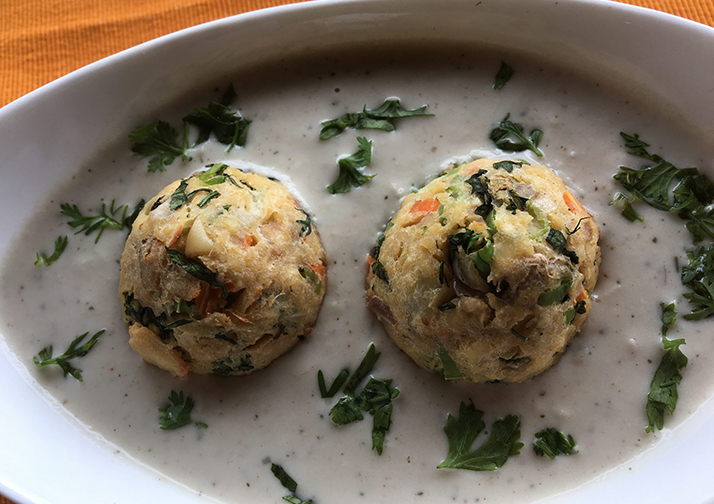
Honestly, nearly everything we eat can be made dairy-free! This Malai Kofta recipe will leave you surprised. It’s also oil-free and tastes much better than a restaurant, so enjoy it guilt-free.
Ingredients
For the Gravy
- ¼ cup cashew nuts, rinsed and soaked in water for 1-2 hours
- ¼ cup watermelon or pumpkin seeds, rinsed and soaked in water for 1-2 hours
- 1 tbsp poppy seeds (khus khus)
- 2 medium-sized onions, roughly chopped
- 10 cloves garlic
- Unrefined salt as per taste
- 2-3 tsp garam masala (more if you like it spicy)
- Date paste (for sweet version) to taste
For the Koftas
- 2 small potatoes
- 1 tbsp arrowroot powder or breadcrumbs
- 1 tbsp brown rice flour
- 2 green chillies, finely chopped
- Unrefined salt to taste
- 100 g tofu
- 10 almonds, finely powdered
Method
For the Gravy
Drain and rinse the soaked cashew nuts and seeds. Make a fine paste of them along with the poppy seeds, in a blender.
Blend onions and garlic together in a blender. For the gravy, heat the pan and pour the onion-garlic paste into it. Add a pinch of salt and cook on low heat. Add a few drops of water, if you feel it sticking to the pan. Once cooked, add garam masala to it and let it cook for 3-5 minutes. Add cashew paste to the pan, with salt and date paste to taste. Add enough water if the gravy is too thick, and let it cook for 5-7 minutes.
(This gravy tends to thicken over time, so you may need to add more water later.)
For the Koftas
Steam the potatoes and mash them into a smooth paste. Add brown rice flour, arrowroot, chillies and salt to it and mix well.
Squeeze out all the water from the tofu and mash it well. Add the almond powder and a pinch of salt.
Make a small ball of the potato mixture in your palms and press it in the middle to make a small hole. Fill it with tofu mixture, close the hole and make a smooth ball with your palms. Prepare as many such balls as possible. Bake these koftas at 170 °C in a pre-heated oven for approx. 8-10 minutes, or until they turn a light brown. Let the koftas cool for a while in a bowl. Then, pour the hot gravy over them and serve.
Serves 2
Food For The Mind
We are there to support you...
We understand that eating right, thinking right, and living right require ongoing motivation and support. Stay inspired and up to date with health tips, delicious recipes, transformative retreats, and our life-changing programs by joining us on your preferred platforms:
- WhatsApp
- Instagram
- YouTube – English & Hindi
- Facebook
- LinkedIn
Take a step forward in your wellness journey — we’re here to support you every step of the way!


|
|
|
|
How Dairy Can Harm Your Health
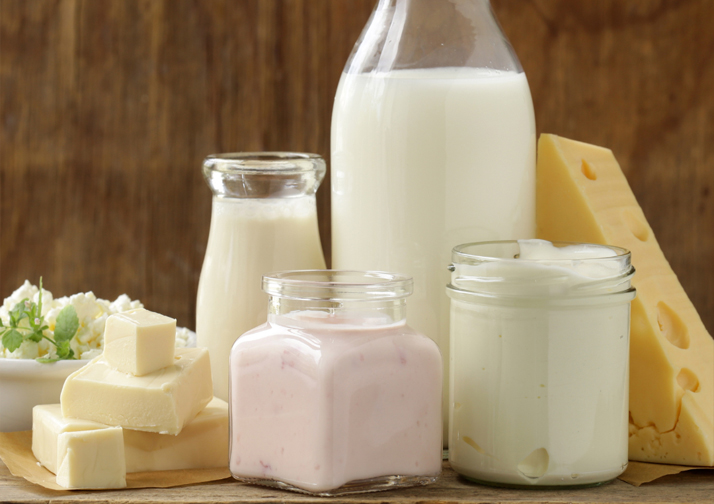
There are countless ways dairy can contribute to disease, but here are some of the most common:
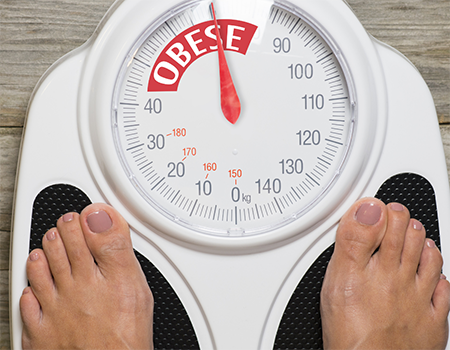
1. Obesity
Dairy is rich in growth hormones designed to help a calf grow from 25 kg to 450 kg in just 18 months. These hormones work in humans too—promoting growth in width even after we’ve reached our adult height.
2. Colds, coughs, and asthma
Milk is mucus-forming. Eliminating dairy often reduces or eliminates chronic colds, coughs, and even asthma.

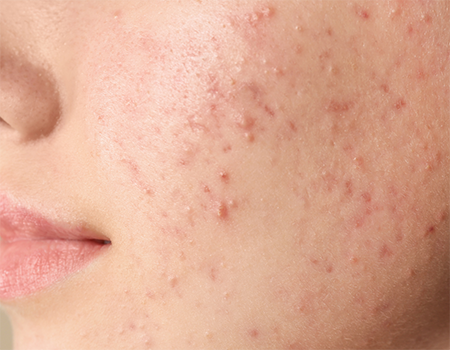
3. Acne and skin issues
Dairy can trigger inflammation and hormonal imbalance, both of which contribute to acne. Removing dairy often leads to clearer skin.
4. Antibiotic resistance
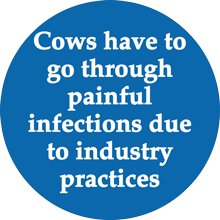
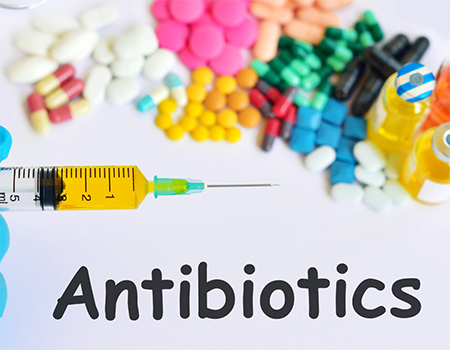
To prevent udder infections, dairy cows are routinely given antibiotics, which pass into the milk. Regular consumption can contribute to antibiotic resistance in humans.
5. Menstrual and menopausal problems
Hormones in milk can disrupt our own, leading to menstrual pain, irregular cycles, and menopausal hot flushes. Improvements often appear after quitting dairy, though it may take time for hormones to rebalance.

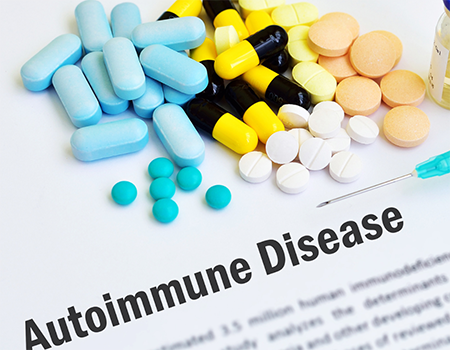
6. Autoimmune diseases
Proteins in cow’s milk are foreign to the human body and can trigger immune reactions. Early introduction of cow’s milk has been linked to higher rates of type 1 diabetes.
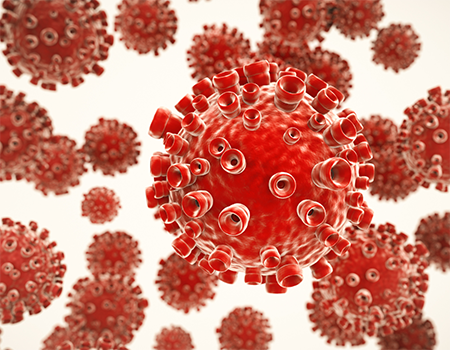
7. Cancer
Dairy contains casein, a known carcinogen, as well as IGF (insulin-like growth factor), which can promote cancer growth. Hormones in milk are linked to hormone-dependent cancers such as breast, ovarian, and prostate cancer.
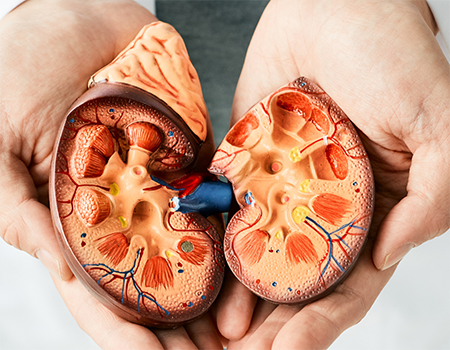
8. Chronic kidney disease
In India, milk is often transported in heat without refrigeration, with additives like urea to prevent spoilage—posing risks to kidney health.
9. Hormonal disorders
Even without injections of oxytocin or rBGH, milk naturally contains cow hormones, which can disrupt human hormonal balance, contributing to PCOD, hypothyroidism, infertility, diabetes, and prostate enlargement.

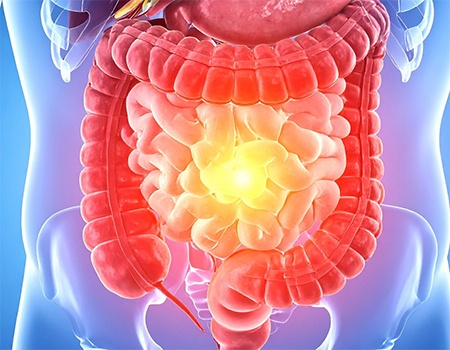
10. Digestive and gut microbiome problems
Antibiotics in dairy can harm gut bacteria, while dairy proteins can cause leaky gut and trigger inflammatory or autoimmune diseases.
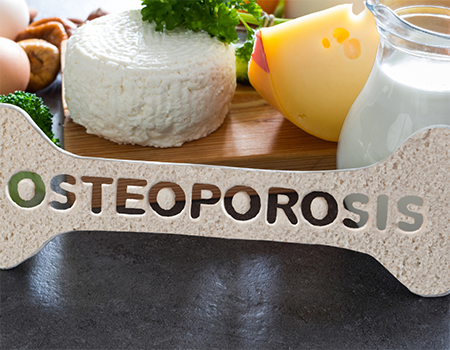
11. Osteoporosis
Despite popular belief, dairy does not protect bones. Its high protein content can cause acidity in the body, prompting calcium to be leached from bones to neutralize it. Not surprisingly, many osteoporosis patients consumed plenty of dairy throughout their lives.
|
|
|
`
|
All Events
Most of our events are online now, so you can join us from anywhere in the world. Click to know more…
|
|
|
|
|
| What is SHARAN? |
Sanctuary for Health and Reconnection to Animals
and Nature (SHARAN) is a social enterprise with
the goal of spreading awareness about holistic
health and an ecologically sustainable
compassionate lifestyle.
|
|
|
| Compiled & Edited by: |
This newsletter is compiled by SHARAN Head of Mumbai, Reyna K Rupani. She facilitates the Six Weeks to Health Gain & Weight Loss program and also conducts health talks for schools, groups, corporates and more.
Aug 2025 | Issue: 250
|
|
|