|
|
|
|
|
From the desk of Dr Nandita Shah...
|
Protein has become one of society’s biggest nutritional obsessions. Many people believe that more protein automatically means better health, and that they should consume as much protein as possible every day. Some even adopt extreme diets, such as keto, without fully understanding what protein is actually needed for — or why our bodies require it in the first place.
Protein is primarily used by the body for growth and repair. This means our highest protein requirements occur during periods of rapid growth, such as infancy, childhood, and adolescence. Outside of severe starvation, true protein deficiency is extremely rare. In fact, protein exists in every living cell, and almost all natural foods contain some amount of protein. If you are eating enough food to feel satisfied, your protein needs are very likely already being met.
In many people’s minds, protein is synonymous with meat and animal products. But consider this: where do large, strong animals like horses and elephants get their protein? Only plants have the ability to manufacture protein using sunlight, air, water, and nutrients from the soil. Animals obtain protein either directly from plants or indirectly by eating other animals that consume plants.
The important takeaway is simple — we, too, can obtain our protein directly from the original source: plants.


|
|
|
|
Sail through these turbulent times with strong, vibrant health
We have many ways to help you reach your highest health potential. This year, we are offering just one 21-day Health Retreat — taking place in June. If you would like to not only experience results right away, but also learn the skills needed to make this lifestyle enjoyable and sustainable, don’t miss this opportunity. Early-bird pricing is available until 28th April, or until all spots are filled.
And if you’re unable to join the retreat, we can still support you in reaching your health goals through individualised consultations and our other events.
|
|
|
|
|
Where Do You Get Your Protein?
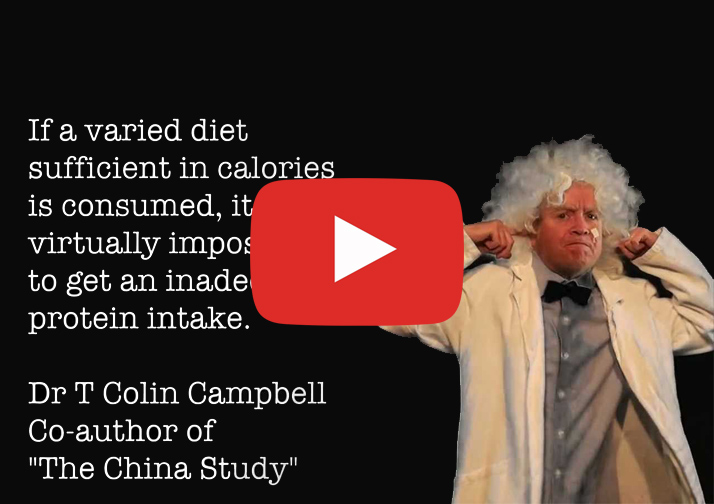
Enjoy this super cool song to understand which plant-based foods give us protein.
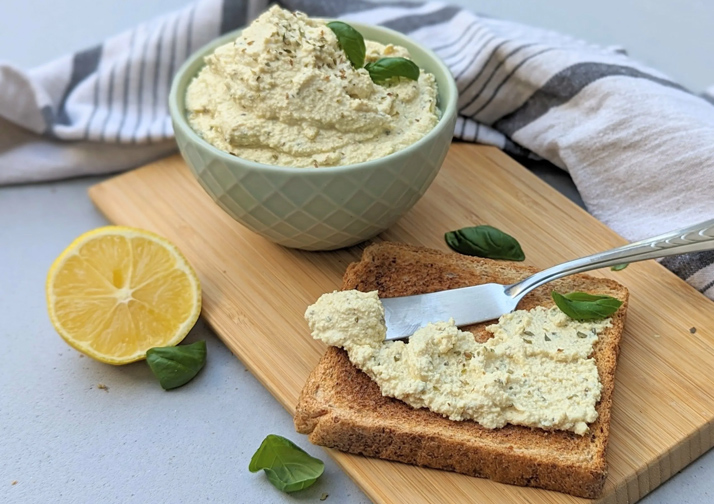
Recipe - Tofu Ricotta
This simple salad is delicious, satisfying, and filling — perfect for workdays. Try it once, and you’ll find yourself carrying it to work at least once a week 🙂
Ingredients
- 250 g extra firm tofu
- 1 tsp minced garlic
- ⅛ cup nutritional yeast
- ¼ tsp unrefined salt
- ¼ tsp black pepper (kali mirch) powder
- ½ tbsp dry parsley flakes
- ½ tsp dry basil
- ½ tsp dry oregano
- ⅛ cup lemon juice
- ⅛ cup soy milk
Method
Combine all above ingredients in a blender and blend until fairly smooth. Refrigerate and serve or use in a recipe.
Makes 2 cups
Food For The Mind
We are here to support you...
We understand that eating right, thinking right, and living right requires ongoing motivation and support. Stay inspired and up-to-date with health tips, delicious recipes, transformative retreats, and our life-changing programs by joining us on your preferred platforms:
- WhatsApp
- Instagram
- YouTube – English & Hindi
- Facebook
- LinkedIn
Take a step forward in your wellness journey — we’re here to support you every step of the way!
Every morning, thousands of people wake up to simple, science-backed guidance for better health.
Are you one of them?
Your body is designed to heal — when you give it the right support.
We’ll show you how.
Join our WhatsApp community and get:
- • Healthy, easy-to-make recipes
- • Inspiring disease-reversal stories
- • Important, trustworthy medical insights
- • First access to our free and paid events
No spam. Just powerful information that can change your health — one day at a time.
Click here to join now.

|
|
|
|
Consuming Proteins in Excess
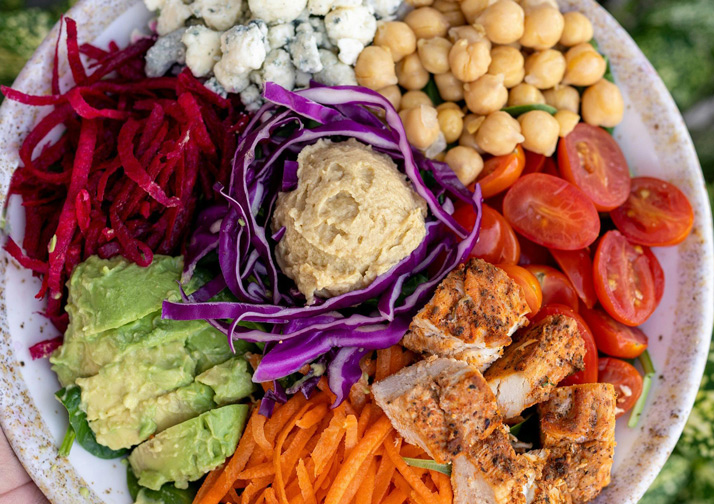
Do you remember a time when you ate too much protein? It could be in the form of meat, or chicken, eggs, or even paneer or cheese. How did you feel after that? Did you feel energized? Probably not, as these are hard to digest.
On the other hand, eating plant-based proteins – chickpeas, beans, lentils and dals doesn’t leave you feeling that way; does it? That’s partly because they are full of fibre so you cannot overeat them, and they are low in fat. Nature protects us when we eat foods suitable to our species.
Did you know that excess proteins cause more problems in other ways too? Excess proteins can be the cause of the following diseases.
1. Cancer
Protein is the food for growth and cancer is a growth. Animal proteins can fuel cancers. Casein, the protein found in dairy is a known carcinogen. Cooking meats causes heterocyclic amines to be formed which are also carcinogens. The lack of fiber in meat can cause colon cancers and hormones in meat and dairy can provoke hormone-dependent cancers like breast, ovarian and prostate cancers.

2. Kidney Disease
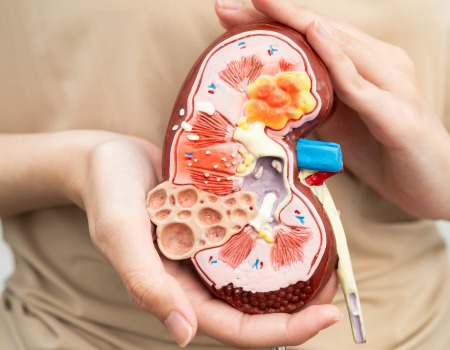
It’s well known that animal proteins are toxic to the kidneys. Chronic kidney disease has become very common and can be largely avoided by having a high fiber plant-based diet.
3. Autoimmune Diseases
Animal proteins can provoke the production of antibodies that can destroy our own body cells leading to autoimmune diseases.

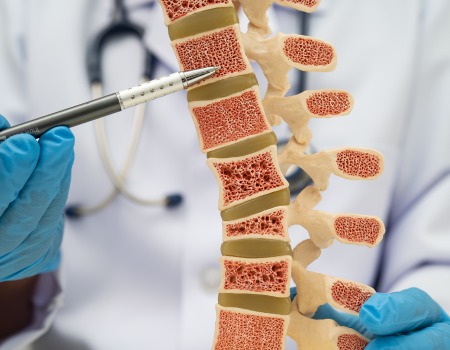
4. Osteoporosis
Excess protein is acid-forming, forcing our bones to release calcium to neutralize the acid. This can lead to osteoporosis.
5. Acidity
Proteins are digested in the stomach with the help of hydrochloric acid. Eating a protein-rich diet forces the stomach to produce more acid thereby leading to acidity or heartburn.

6. Gout
It’s well known that a high protein diet can result in gout in those who are predisposed to this painful disease.

7. Allergies
One of the best ways to minimize allergies is to go completely plant-based and avoid the offending allergen to the extent possible. With this regimen most allergies disappear in a period of a year or two.

|
|
|
`
|
All Events
Most of our events are online now, so you can join us from anywhere in the world. Click to know more…
|
|
|
|
|
| What is SHARAN? |
Sanctuary for Health and Reconnection to Animals
and Nature (SHARAN) is a social enterprise with
the goal of spreading awareness about holistic
health and an ecologically sustainable
compassionate lifestyle.
|
|
|
| Compiled & Edited by: |
This newsletter is compiled by SHARAN Head of Mumbai, Reyna K Rupani. She facilitates the Six Weeks to Health Gain & Weight Loss program and also conducts health talks for schools, groups, corporates and more.
Mar 2026 | Issue: 264
|
|
|