|
|
|
|
|
From the desk of Dr Nandita Shah...
|
Everyone knows that sugar is unhealthy, yet many of us are addicted to it. The roots of this addiction often begin in early childhood. Mothers commonly add sugar or sweet flavouring to cow’s milk to encourage children to drink it, unintentionally introducing them to two harmful substances at the same time. Parents also use sweets and desserts as rewards or treats. It’s no wonder that sugar addiction has become so widespread.
Interestingly, we are born with a natural preference for sweetness for a good reason—to help us eat more of the best food for us: fruit. But when our taste buds are constantly exposed to refined sugar, sensitivity to this natural sweetness is dulled. Many people stop enjoying fruit because it doesn’t taste “sweet enough.”
So what happens when sugar is taken out of the equation?
It isn’t easy at first. But when refined sugar is replaced with naturally sweet foods like fruits, healthy sweets, and green smoothies, the transition becomes much smoother. Over time, sugary desserts—and even foods made with jaggery or other syrups—can begin to taste too sweet.
Something remarkable then happens: our sensitivity to sweetness improves. We start noticing the natural sweetness in everyday vegetables—carrots, peas, onions—that we may never have appreciated before.
Removing sugar doesn’t create deprivation. Instead, it creates a new relationship with sweetness—one that is subtle, satisfying, and deeply nourishing.


|
|
|
|
A Vacation that Supports your Health
Our retreats are a blend of knowledge and fun; learning and joy; and offer an opportunity to be part of a healthy community that is truly like family. Coming up is our special Andaman holiday retreat in March and our signature 21-Day Health Retreat in Gokarna (near Goa). For details click here
|
|
|
|
|
'It didn’t feel like giving something up; instead, it felt like reclaiming responsibility for my well-being'

44 year old Thane based IT professional Rizwana Kazi, joined our Sugar Free Resolution in January, 2026 and this is what she experienced…
Participating in SHARAN’s Sugar-Free Resolution has been truly life-changing for me. The program included 10 thoughtfully designed sessions spread over a month, each one gently building awareness and clarity around everyday food choices. What I appreciated most was how practical and easy-to-follow the guidance was. It didn’t feel overwhelming, yet it created deep shifts.
As a result of this resolution, I have completely eliminated added sugar from my diet. I now consciously read product labels, understand hidden sources of sugar, and make informed decisions rather than habitual ones. This single shift has had a powerful impact on my energy levels, digestion, and overall mindset. I feel more in control of my cravings rather than controlled by them.
SHARAN’s vision of bringing real health back to the masses is beautifully reflected in this program. It is empowering, sustainable, and rooted in awareness rather than restriction. The Sugar-Free Resolution didn’t feel like giving something up; instead, it felt like reclaiming responsibility for my well-being. I am deeply grateful for this experience and would wholeheartedly recommend it to anyone seeking lasting, meaningful lifestyle transformation.
Recipe - Raw Chocolate Brownie
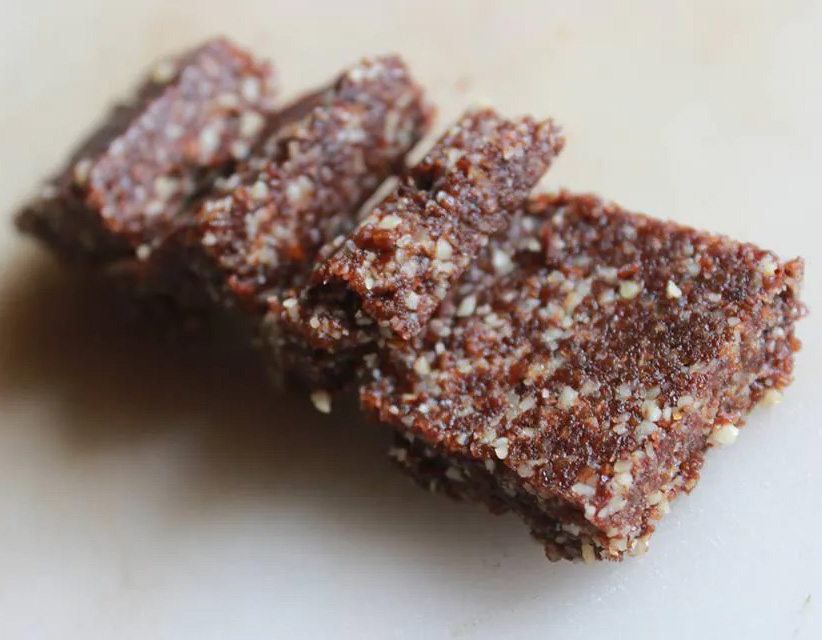
If you love chocolate then this recipe is going to blow your mind! It’s raw and literally whipped up in minutes….enjoy 🙂
Ingredients
- 2 cups walnuts
- ½ cup unsweetened cocoa powder
- ⅛ tsp unrefined salt
- 1½ cup pitted soft dates
Method
Process the walnuts in a food processor until coarse and sticky. Add cocoa powder and salt to this mixture. Next, add the dates, a little at a time, and keep blending until it becomes like cake crumbs. Keep adding dates until the mixture sticks together. Transfer to a dish/mould and set to desired shape. You may chill this for about 1 hour or serve immediately. Cut into squares or wedges before serving. Keep refrigerated to store.
Serves 18
Food For The Mind

We are here to support you...
We understand that eating right, thinking right, and living right requires ongoing motivation and support. Stay inspired and up-to-date with health tips, delicious recipes, transformative retreats, and our life-changing programs by joining us on your preferred platforms:
- WhatsApp
- Instagram
- YouTube – English & Hindi
- Facebook
- LinkedIn
Take a step forward in your wellness journey — we’re here to support you every step of the way!

|
|
|
|
Sugar-free? Really?
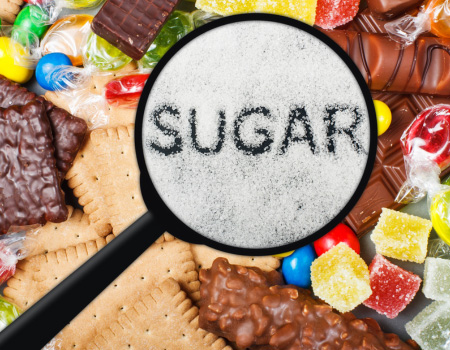
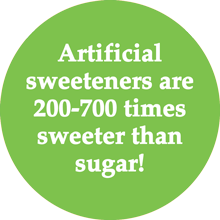
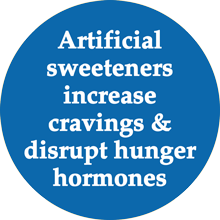
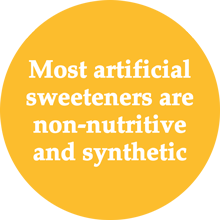
To influence our psyche, many companies and even individual bakers use the term “sugar-free” — which often only means no refined white sugar. Instead, they add other processed or artificial sweeteners, some of which may be just as harmful, or even worse, than sugar itself.
There’s a reason they’re called artificial sweeteners. In fact, manufacturers use over 100 different names for these substances, and most products contain a combination of them.
So the next time you see sugar-free, put on your detective cap and read labels carefully. Ask questions. As a rule, if the fibre is intact, it’s acceptable — whole fruits, dates, raisins, figs, apricots, dried berries. If the fibre is removed or the product is refined, it’s not worth putting into your invaluable body. If it’s just a chemical substance instead of real food, be on your guard.
Let’s look at some commonly used “sugar-free” alternatives and why they may be problematic:
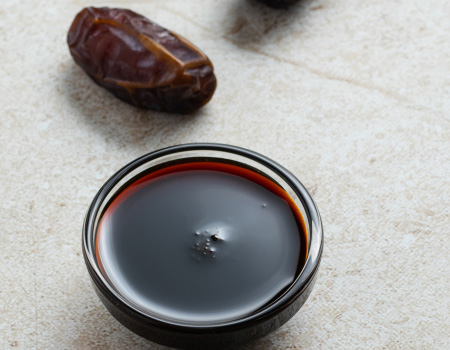
1. Date syrup
Once the fibre is removed, it behaves much like sugar, causing rapid blood-sugar spikes.
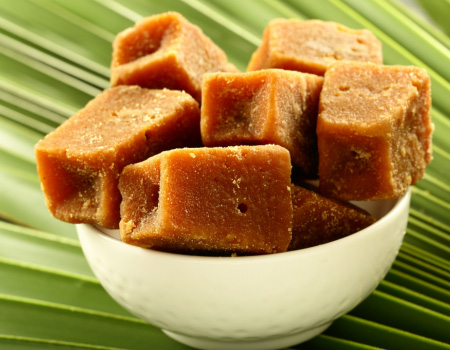
2. Jaggery / Molasses
Less refined than white sugar, but still high in calories and may contribute to weight gain, tooth decay, digestive issues, and acne when consumed regularly.
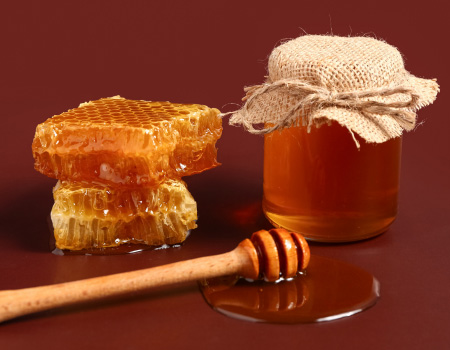
3. Honey
Often produced using sugar-fed bees; residues of antibiotics or pesticides may be present. Regardless, honey is still concentrated sugar and calorie-dense.
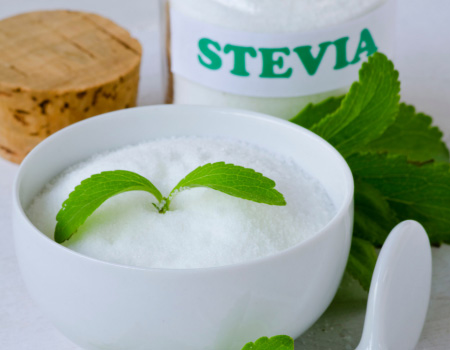
4. Stevia
Extremely sweet — can raise the sweetness threshold, leading to stronger sugar cravings. Some people experience bloating, gas, gut microbiome disturbances, and possible hormonal effects.
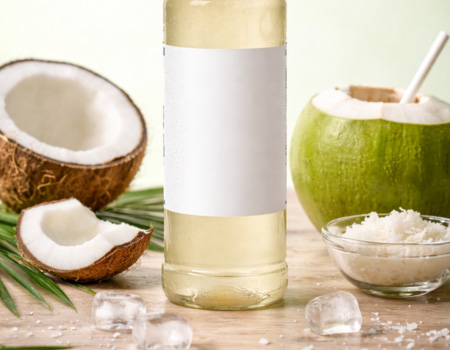
5. Coconut syrup / sugar
High in calories and sugars; excessive intake may strain the liver due to its fructose and sucrose content.
6. Maple syrup / Agave syrup
Highly refined and sugar-dense. Many commercial maple syrups contain added high-fructose corn syrup. Agave is particularly high in fructose and may be metabolically worse.

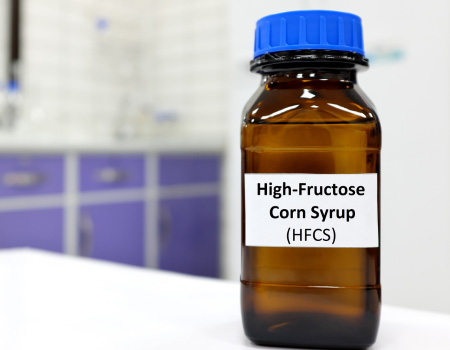
7. High-fructose corn syrup (HFCS)
Cheap and widely used. Strongly linked to type 2 diabetes, metabolic syndrome, and non-alcoholic fatty liver disease.
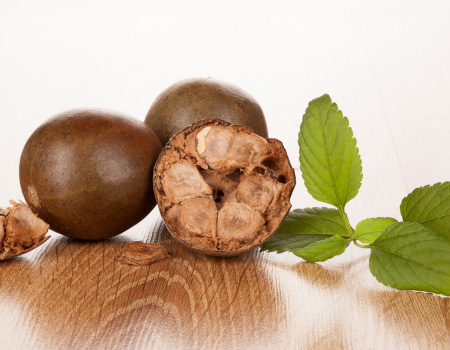
8. Monk fruit sweeteners
Pure monk fruit is rare and expensive. Most products mix it with erythritol or dextrose, negating any benefit.
9. Erythritol / Xylitol
Emerging evidence links frequent use to increased cardiovascular risk, blood clots, and digestive distress.
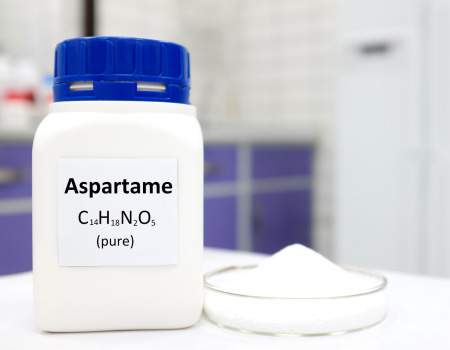
10. Aspartame
Associated with insulin resistance, type 2 diabetes, and concerns around hormonal imbalance and hormone-related cancers.
|
|
|
`
|
All Events
Most of our events are online now, so you can join us from anywhere in the world. Click to know more…
|
|
|
|
|
| What is SHARAN? |
Sanctuary for Health and Reconnection to Animals
and Nature (SHARAN) is a social enterprise with
the goal of spreading awareness about holistic
health and an ecologically sustainable
compassionate lifestyle.
|
|
|
| Compiled & Edited by: |
This newsletter is compiled by SHARAN Head of Mumbai, Reyna K Rupani. She facilitates the Six Weeks to Health Gain & Weight Loss program and also conducts health talks for schools, groups, corporates and more.
Feb 2026 | Issue: 263
|
|
|