|
|
|
|
|
From the desk of Dr Nandita Shah...
|
Life itself depends on salt. From the earliest civilizations, people went to great lengths to obtain it—from salt mines and seawater—because of its immense value. Salt has long been used to preserve and season food, plays an important role in medicine, and holds deep significance in religious ceremonies. In some cultures, it was even used as currency. In many ways, the history of human civilization is closely intertwined with the history of salt.
Both humans and animals require salt to survive. Domestic animals often fall ill if they do not receive enough, which is why farmers provide salt licks. Wild animals, too, instinctively seek out natural salt sources to meet their needs.
However, in today’s world, salt is widely overused—especially by the food industry. Because it enhances flavour and increases the addictive quality of food, excessive amounts are added to packaged and restaurant foods. This makes it especially important to limit eating out and reduce consumption of processed foods, as they are almost always far saltier than necessary and can contribute to health problems.
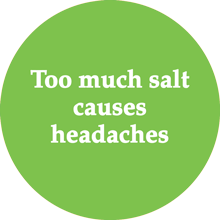
Excess salt intake is commonly linked to high blood pressure because it causes the body to retain water. But there is an additional, growing concern: studies now show that nearly 90% of sea salt contains microplastics and other pollutants, a direct result of widespread ocean pollution. While switching to rock salt may reduce this exposure, the more important step is to consciously reduce overall salt intake.
So the question to ask is simple: is your food too salty?


|
|
|
|
Kind Attention Delhi NCR
Dr Nandita Shah is in your city in March. Don’t miss the opportunity to learn directly from her. For details, click here
|
|
|
|
|
'I was able to reverse hypertension very easily'

Recipe - Tikha Sev
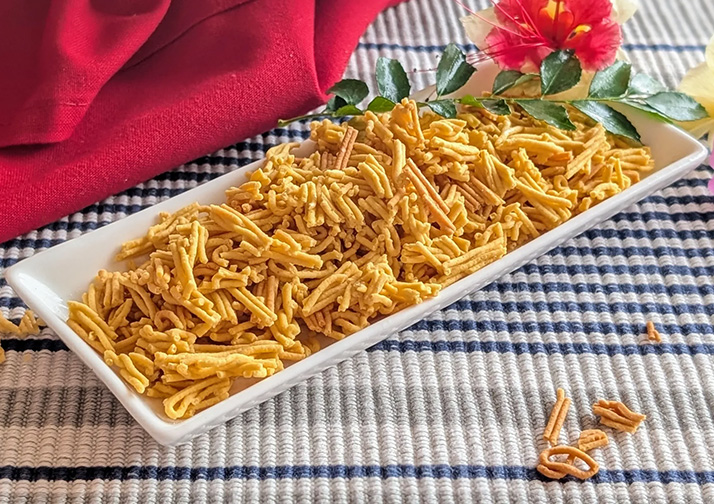
It’s the farsans where our salt intake really shoots up. The combination of oil and salt makes them highly addictive. Try making your own tikha sev at home—without oil and using organic Himalayan salt—and watch those cravings melt away.
Ingredients
- 1 cup Bengal gram flour (besan)
- 2 tsp carom seeds (ajwain)
- 1 tsp unrefined salt
- ⅛ tsp turmeric (haldi) powder
- ½ tsp red chilli powder
- 2 tbsp coconut butter
- Ginger-chilli paste to taste
- ¼ cup sesame seeds (til), finely ground to a paste
- Sufficient water to make moderately soft dough
Method
Sieve the besan, add all dry ingredients and mix well. Add ginger-chilli paste and coconut butter. Finally, add the sesame seed paste. Make a moderately soft dough with water. Be careful not to add too much water. Add a little (about a tablespoon) at a time. Now, tie the dough in a muslin cloth and steam in a dhokla/idli steamer for 10 minutes. Remove and cool. Knead the dough well and transfer to the sev press and squeeze out to make sev. Bake in a pre-heated oven at 170 ˚C for around 30 – 35 minutes, until crisp and done.
Food For The Mind
We are here to support you...
We understand that eating right, thinking right, and living right requires ongoing motivation and support. Stay inspired and up-to-date with health tips, delicious recipes, transformative retreats, and our life-changing programs by joining us on your preferred platforms:
- WhatsApp
- Instagram
- YouTube – English & Hindi
- Facebook
- LinkedIn
Take a step forward in your wellness journey — we’re here to support you every step of the way!

|
|
|
|
Get Salt Savvy
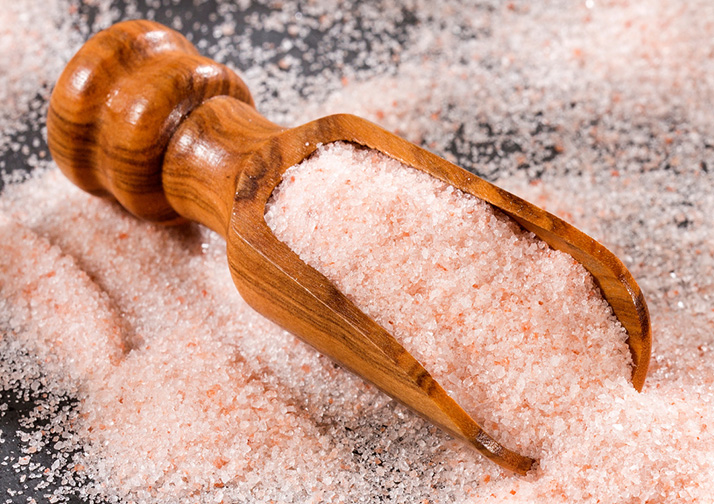
Did you know that your daily salt intake should ideally be no more than ¾ to 1 teaspoon per day? How much do you consume?
Excess salt can lead to water retention, high blood pressure, kidney problems, and increases the risk of heart disease and stomach cancer.
While the body does need a small amount of salt for optimal nerve and muscle function, overdoing it can be harmful. Here are some practical ways to reduce your daily salt intake:
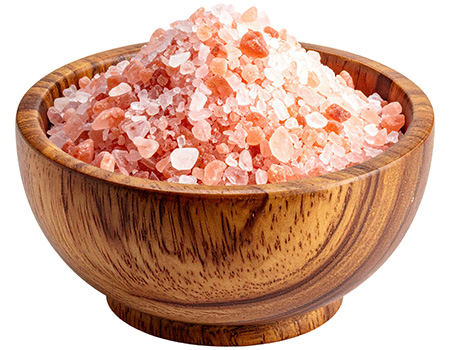
1. Use organic rock salt
This doesn’t mean you can use unlimited amounts, but it helps you avoid the chemicals added to refined salt. Sea salt may also contain contaminants, so rock salt is preferred.
2. Stop buying packaged and processed foods
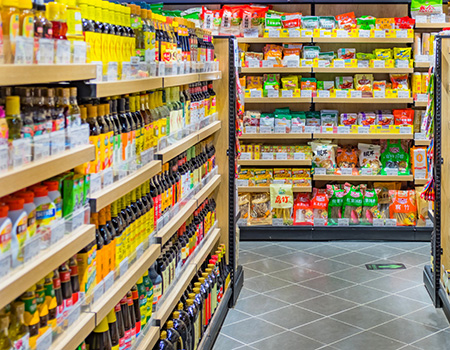
Salt is addictive and also acts as a natural preservative, which is why most packaged and canned foods are loaded with it. Once we start eating salty foods, it’s hard to stop—so it’s best to avoid them altogether.
3. Learn to make homemade snacks and sauces
This doesn’t take much time and goes a long way in reducing salt intake. For example, choose raw or soaked peanuts instead of roasted and salted ones. Be mindful of hidden salt.
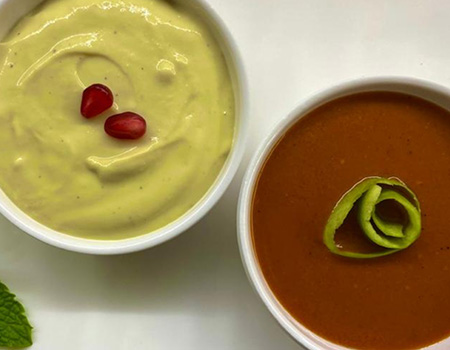
4. Reduce eating out
Most restaurants use ready-made sauces and packaged ingredients, which significantly increase salt consumption.

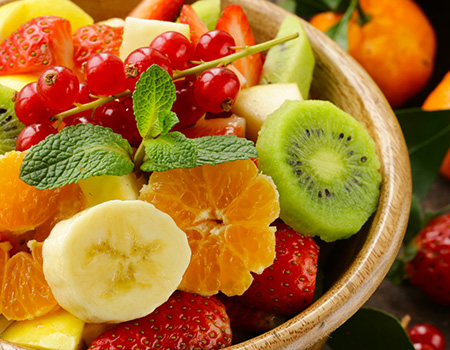
5. Eat more fruits and salads
They are rich in potassium, which helps counter the effects of excess sodium.
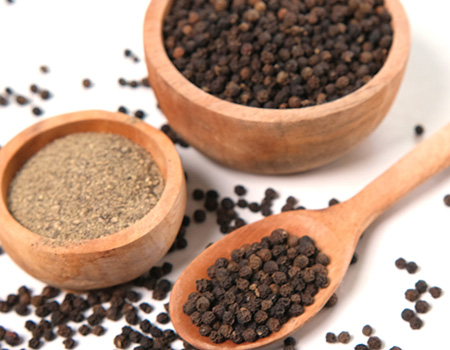
6. Use salt alternatives
Freshly ground black pepper, lemon juice, herbs, and spices can add wonderful flavour—often making salt unnecessary.
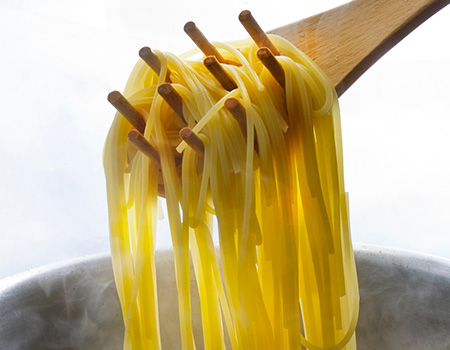
7. Skip adding salt while boiling
Avoid adding salt when cooking rice, pasta, or vegetables. You’ll barely miss it.
8. Reduce the number of meals and dishes
Most dishes contain salt. Opt for fruits or smoothies for breakfast or snacks, and simplify lunch and dinner by preparing fewer dishes.
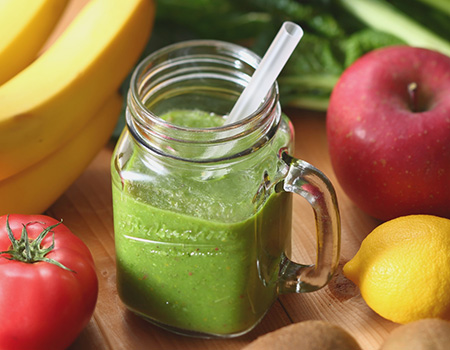
9. Don’t keep salt on the table
Out of sight really does mean out of mind.
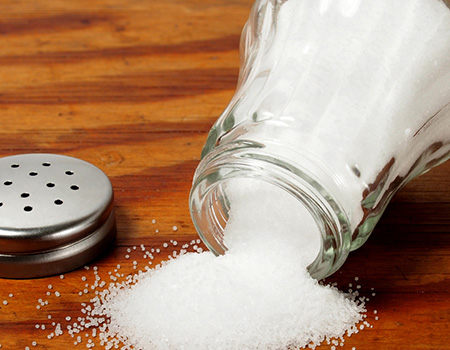
10. Hang in there!
It takes about 6–8 weeks to adapt to food with less salt. Once you do, you’ll be surprised how salty even basic potato chips taste!
So the question is simple: Is your food too salty?

|
|
|
`
|
All Events
Most of our events are online now, so you can join us from anywhere in the world. Click to know more…
|
|
|
|
|
| What is SHARAN? |
Sanctuary for Health and Reconnection to Animals
and Nature (SHARAN) is a social enterprise with
the goal of spreading awareness about holistic
health and an ecologically sustainable
compassionate lifestyle.
|
|
|
| Compiled & Edited by: |
This newsletter is compiled by SHARAN Head of Mumbai, Reyna K Rupani. She facilitates the Six Weeks to Health Gain & Weight Loss program and also conducts health talks for schools, groups, corporates and more.
Jan 2026 | Issue: 262
|
|
|