|
|
Eating organic has been a game changer

Mumbai-based consultant Meenakshi Shedde shares how this one healthy habit has made a big difference.
I’d like to thank my sister Sarayu Kamat for initiating me into the SHARAN movement and switching to eating organic food and turning mostly vegan around 2020. My sleep and exercise routines are well below par, so eating organic has been a game changer, keeping me healthy, with energy to be active, work hard and travel quite a bit. I’ve hardly fallen sick since then, apart from the occasional cough/cold/flu. I’m especially grateful to SHARAN India and Capt. Joseph Pinto for supplying high quality organic food sourced with great integrity. I remember a wonderful series SHARAN did during Covid, a Meet your Farmer series, that connected us to wide and compassionate farmers who supply us the food we eat. SHARAN is also a deeper philosophy emphasising compassion for all living beings and caring for the planet. It all makes a lot of sense, and must be taught in schools and onwards.
Recipe - High Protein Sprouts Salad in Lettuce Cups

Try this recipe using organic ingredients and you will be surprised how delicious it is!
Food For The Mind
We are here to support you...
We understand that eating right, thinking right, and living right requires ongoing motivation and support. Stay inspired and up-to-date with health tips, delicious recipes, transformative retreats, and our life-changing programs by joining us on your preferred platforms:
- WhatsApp
- Instagram
- YouTube – English & Hindi
- Facebook
- LinkedIn
Take a step forward in your wellness journey — we’re here to support you every step of the way!
Every morning, thousands of people wake up to simple, science-backed guidance for better health.
Are you one of them?
Your body is designed to heal — when you give it the right support.
We’ll show you how.
Join our WhatsApp community and get:
- • Healthy, easy-to-make recipes
- • Inspiring disease-reversal stories
- • Important, trustworthy medical insights
- • First access to our free and paid events
No spam. Just powerful information that can change your health — one day at a time.
Click here to join now.


|
|
|
|
So, how can we tell whether the food we are buying is really organic in India?
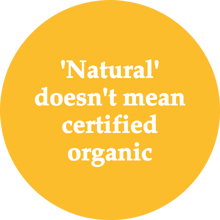
We know that certification is not always foolproof, and there may be instances where certified produce does not meet our expectations of being 100% organic. Perhaps it is only 80% organic. But we also need to look at the bigger picture. The chances of conventionally grown produce being exposed to pesticides and other chemicals are far greater. So rather than becoming paralysed by doubt, let us do the very best we can.
The first step is to buy from a trustworthy organic store. This reduces the possibility of organic and conventional produce being mixed up and gives you an opportunity to develop a relationship with the people who are sourcing your food. Over time, you may begin to notice some interesting differences in your organic produce and dry goods—things that you may not frequently encounter with conventionally grown food.
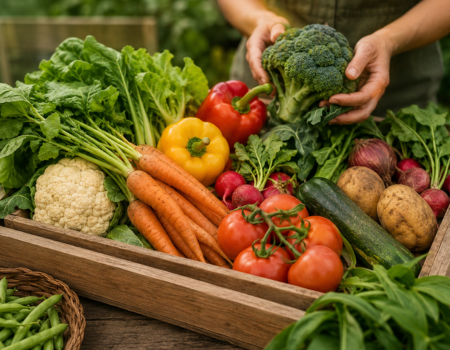
1. Everything isn't available all the time
You may send a shopping list and find that you don’t get everything you asked for. That’s because organic farmers don’t necessarily grow everything on demand. Availability depends on what is being harvested.
2. You start eating with the seasons
You will find yourself eating foods when they are naturally in season rather than expecting every fruit and vegetable to be available throughout the year. Gradually, you learn what is available at different times of the year.
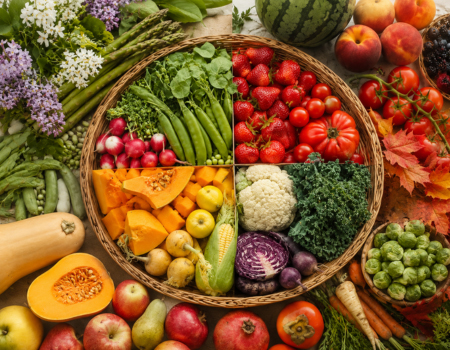
3. You may find a few insects in your dry goods
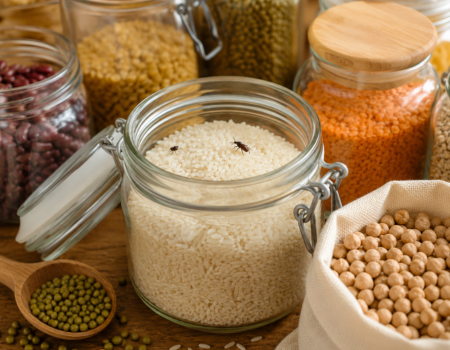
You might occasionally find small insects or weevils in grains, pulses, flours or other dry goods. This means you need to clean and store them properly—sometimes even in the refrigerator—to prevent the insects from multiplying. It may be a little inconvenient, but it’s a reassuring reminder that your food hasn’t been heavily treated to make it last indefinitely.
4. You may find an insect or two in your vegetables
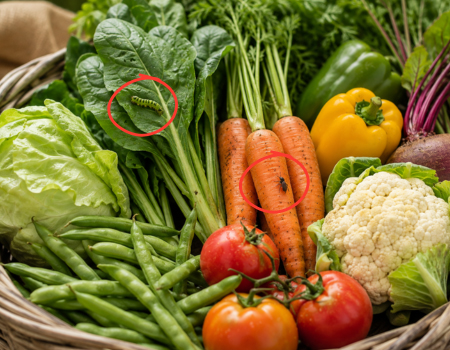
Don’t be surprised to find a tiny insect hiding in your cauliflower or broccoli. Wash your vegetables well and remove the insect. Consider it reassuring that if the insect didn’t die, neither will your gut microbiome.
5. The produce may be smaller—but more delicious
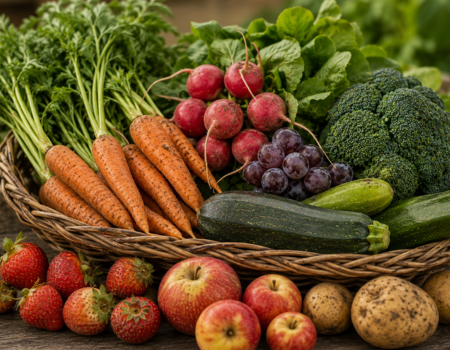
Organic fruits and vegetables may not always be as large or as perfectly shaped as those in the conventional market. But very often, you will notice something else: the taste. Many people find that organically grown produce has a much richer and more satisfying flavour.
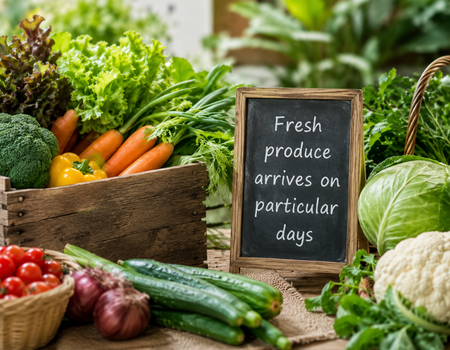
6. Fresh produce may arrive on particular days
Your organic store may not have fresh produce every day. Perhaps new supplies arrive only on certain days of the week. Before long, you’ll know exactly when to go shopping to get the freshest produce.
7. The shopkeeper is passionate about organic food
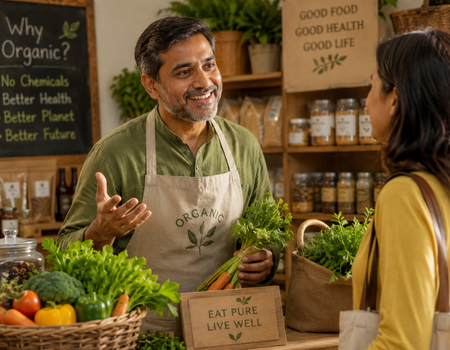
Often, the person running a genuine organic store has a personal story behind why they started the business. Perhaps someone in their family became seriously ill, or they themselves became concerned about the impact of chemicals on health and the environment. That passion can tell you a lot.
8. They know their farmers
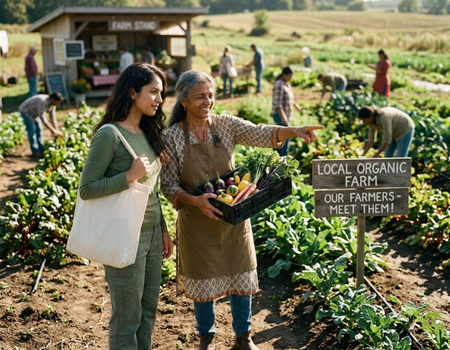
A good organic store should be able to tell you where its produce comes from. The owner should know which farms they buy from and, ideally, why they trust those farmers.
Sometimes, you may even get an opportunity to visit the farm yourself. That is perhaps one of the best ways to understand where your food comes from.
9. And then there is the taste!
Finally, you may discover something completely unexpected.
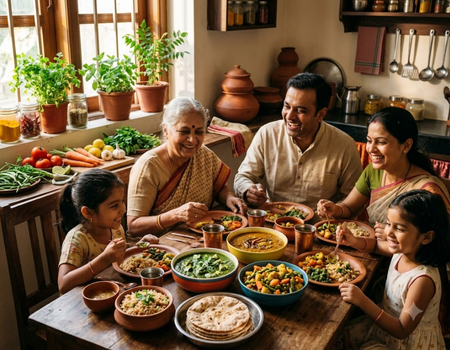
You start buying organic, cooking at home, and enjoying food that is fresh, seasonal and full of flavour. Your food tastes so good that you may find yourself wondering:
“Why would I want to eat out?”
Of course, none of these observations alone can prove that something is organic. They are simply practical signs that, together with trustworthy certification and transparency about sourcing, can help us make better choices.
We may never be able to eliminate every doubt. But we can certainly become more conscious consumers—and do our very best to put the cleanest, healthiest food possible on our plates.
|
|
|