|
|
|
|
|
From the desk of Dr. Nandita Shah...
|
Today, whenever people think about bodybuilding, muscle strength or longevity, one word immediately comes to mind: protein.
We are constantly told that we need more protein to build muscle, stay strong and live longer. People are willing to spend large amounts of money on protein powders, supplements, shakes, bars and isolates, believing that these are essential for health and fitness.
Whey protein, protein powders, protein supplements, protein isolates and high-protein snacks have become a huge industry. When film stars, athletes and bodybuilders promote them, it is easy to assume that they must be necessary.
T. Colin Campbell began his career studying how we could get more protein to the masses to improve their health. However, his own research led him to question his assumption that more protein is better, particularly when it comes from animal sources. His work and the research, presented in The China Study, challenged many commonly held beliefs about animal protein and chronic disease. But unfortunately once a belief is engraved in our minds, it is very difficult to remove it.
Dr Brooke Goldner, author of Goodbye Lupus, is one of the many physicians who is challenging some of the commonly held beliefs about protein through her Protein Myths Series. It is worth checking out.
Both bodybuilding and longevity ultimately depend on good health. So instead of asking, “How can I get more protein?”, perhaps we should ask: “How can I nourish my body so that it can build and maintain muscle naturally, stay healthy and help me live a long, healthy life?”


|
|
|
|
Meet the Man Behind Test Subject V
Join us for an exclusive live conversation with Kunal Avanti, the protagonist of the award-winning documentary Test Subject V on Wed, 19th August at 7 pm IST. Register here to attend this amazing FREE session. !
|
|
|
|
|
40+ Kunal Avanti thrives on Plant Protein

Want to lose weight and get fit? Is animal protein the key? In Test Subject V, Kunal Avanti shows us what is possible when you take a different path—losing 35 kg and gaining fitness in just 38 weeks!
Recipe - Kheema Rice
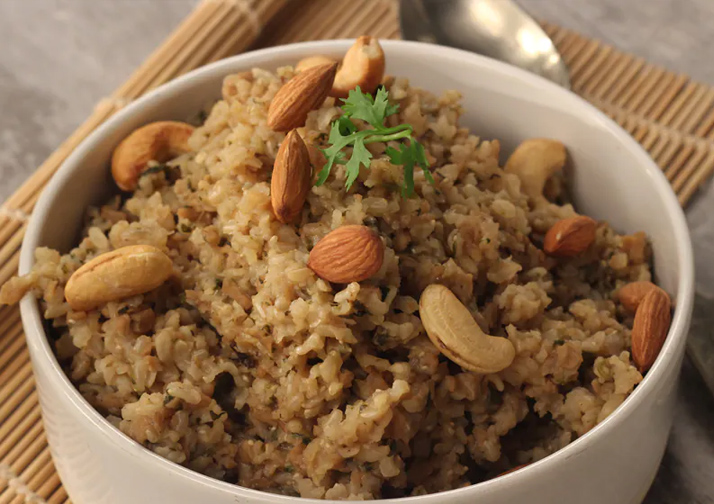
Soy protein is a complete source of plant-based protein. This protein-rich recipe consists of soya granules and soy curd, along with brown rice.
Ingredients
- 1 cup soy granules, boiled and drained
- 1 cup brown rice, soaked in water for 8-10 hours
- 5 cardamoms
- 2 star anise
- 3 (1″ pc) cinnamon
- 2 onions, finely sliced
- ½ cup fresh coriander leaves
- 10-15 mint leaves
- Green chillies as per taste
- 8 cloves garlic, minced
- 1″ pc ginger, grated
- 5 peppercorns
- 1 tsp dry mango (amchur) powder, only if soy milk is being used
- ½ cup soy milk / 1 cup peanut curd
- 2 cups warm water
- Unrefined salt to taste
- Caramelised onion and roasted nuts, for the garnish
Method
Heat a heavy bottom pan, add cardamom, cinnamon and star anise. Dry stir ‘fry’ for a minute. Add onions and ‘fry’ on low heat, until they turn light brown. Add garlic and ginger and stir until fragrant. Add the coriander and mint leaves, green chillies and pepper corns. ‘Fry’ until the leaves turn dark green. Add the mango powder (only if soy milk is being used). Add the rice and stir fry for 2 minutes, or until the rice gets a mild brown tint. Add the soy granules and stir fry. Add the soy milk/peanut curd and ‘fry’ for 2 minutes. Add 2 cups of warm water and salt. Cover and let the rice cook. Garnish with pan roasted caramelised onions and roasted cashew nuts.
Serves 4-5
Food For The Mind
We are here to support you...
We understand that eating right, thinking right, and living right requires ongoing motivation and support. Stay inspired and up-to-date with health tips, delicious recipes, transformative retreats, and our life-changing programs by joining us on your preferred platforms:
- WhatsApp
- Instagram
- YouTube – English & Hindi
- Facebook
- LinkedIn
Take a step forward in your wellness journey — we’re here to support you every step of the way!
Every morning, thousands of people wake up to simple, science-backed guidance for better health.
Are you one of them?
Your body is designed to heal — when you give it the right support.
We’ll show you how.
Join our WhatsApp community and get:
- • Healthy, easy-to-make recipes
- • Inspiring disease-reversal stories
- • Important, trustworthy medical insights
- • First access to our free and paid events
No spam. Just powerful information that can change your health — one day at a time.
Click here to join now.

|
|
|
|
What happens when protein becomes an obsession?
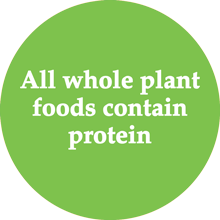
Most of us think we need to measure our protein intake to make sure we are getting enough. Protein is present in all whole foods, and our bodies need it for growth, repair and maintenance. If we are relatively well-fed, protein deficiency is uncommon. In fact, most people consume more protein than they actually need.
So, what happens when we consume excessive amounts of protein, particularly when protein-rich foods and supplements begin to replace whole plant foods?
Excessive protein intake can have several consequences:
1.
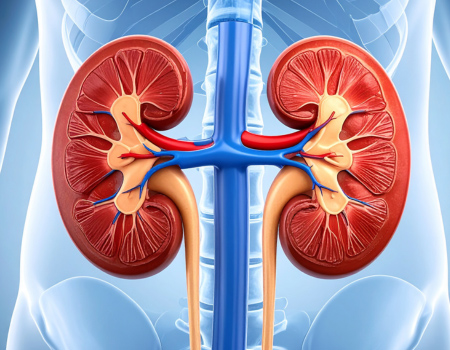
It can put additional strain on the kidneys. The kidneys have to process and excrete nitrogen-containing waste products produced when excess protein is metabolised.
2.
It can increase water requirements. More protein means more nitrogenous waste that needs to be excreted, potentially increasing the body’s need for water.

3.
It may increase the risk of kidney stones, particularly with diets high in animal protein, which can increase urinary calcium and uric acid.

4.
It can contribute to constipation. Animal foods and protein isolates contain little or no fibre. When they replace fibre-rich plant foods, bowel movements can suffer.

5.
It can cause bad breath. Very high-protein, low-carbohydrate diets can lead to ketosis, which may produce an unpleasant smell on the breath.

6.
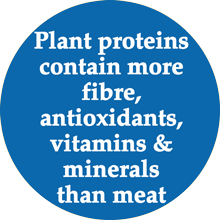
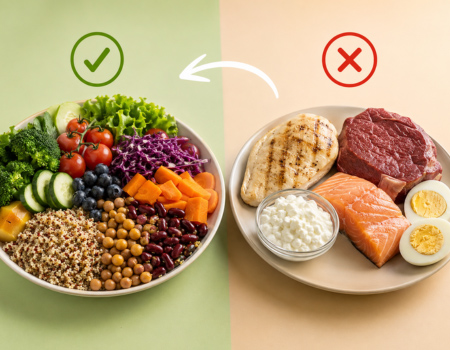
It can crowd out healthier foods. When we focus excessively on protein, we may eat less of the whole grains, fruits, vegetables, legumes and other plant foods that provide fibre and protective phytonutrients.
7.
It can contribute to unwanted weight gain. Protein also contains calories, and excess calories—regardless of their source—can ultimately be stored as body fat.

8.
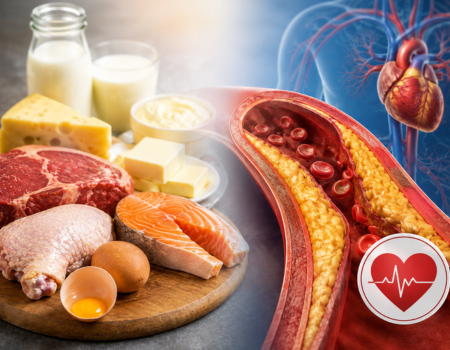
It can increase cholesterol and cardiovascular risk. Diets high in animal protein are also high in saturated fat and cholesterol.
9.
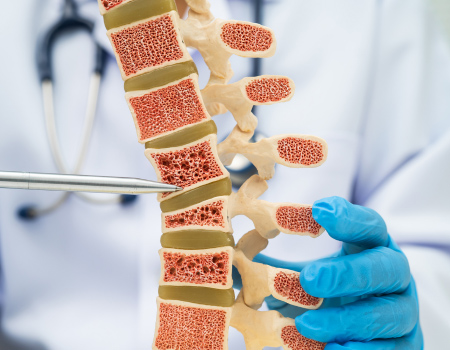
It can cause osteoporosis. High animal-protein diets can increase dietary acid load resulting in leaching of calcium from the bones
10.
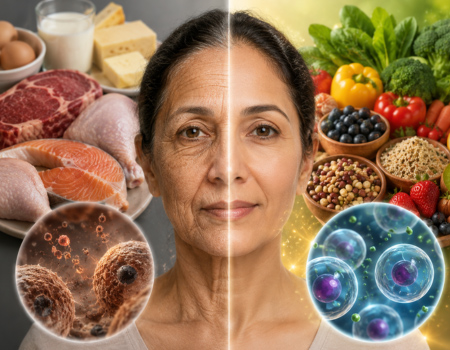
It can speed up cellular aging. A diet dominated by protein can displace the fibre, antioxidants and phytonutrients found abundantly in whole plant foods—nutrients that are important for maintaining health as we grow older.
|
|
|
`
|
All Events
Most of our events are online now, so you can join us from anywhere in the world. Click to know more…
|
|
|
|
|
| What is SHARAN? |
Sanctuary for Health and Reconnection to Animals
and Nature (SHARAN) is a social enterprise with
the goal of spreading awareness about holistic
health and an ecologically sustainable and
compassionate lifestyle.
|
|
|
| Compiled & Edited by: |
This newsletter is compiled by SHARAN Head of Mumbai, Reyna K Rupani. She facilitates the Six Weeks to Health Gain & Weight Loss program and also conducts health talks for schools, groups, corporates and more.
Aug 2026 | Issue: 275
|
|
|