|
From the desk of Dr. Nandita Shah...
|
|
We live in a society that places constant expectations on us. From the moment we are born, much of our life story seems to be written for us. We are expected to go to school, attend college, secure a job or build a career, get married, have children, care for them, maintain social relationships, and look after our parents as they age.
|
Very few of us have the opportunity to pause and reflect on what we truly want from our lives. And even when we do, we are often caught up in the demands of everyday living—going on holidays, buying new clothes, dining out, purchasing a new home, and so on. This can keep us locked into what is often called the “rat race.” We may not know how to step away from it because change can feel uncomfortable, while familiar patterns provide a sense of security.
Yet when someone does break free from these patterns, their story often inspires others. We read about them in books, newspapers, and on social media because they dared to step back from the race, think differently, and create a new path for themselves.
Making such a shift can be challenging when we remain surrounded by the same environment and the same people. That is why stepping into a completely different setting and meeting new people can be so valuable. At SHARAN, our retreats are designed to create these opportunities. If you are open to the experience, they can offer a fresh perspective and perhaps even transform the way you see your life.
|
|

|
|
|
|
|
|
Take a break that truly rejuvenates and empowers you in every way! Check out our upcoming 7-Day Healing Retreat where you will experience a positive shift in many small yet profound ways. Expect lots of learning coupled with fun and an amazing time with Mother Nature. For more details, click here.
|
|
|
|
Time for Reflection
|

|
|
Somewhere along the way, as life becomes busier and more demanding, we often lose touch with the things that truly matter. We may begin to take ourselves and our loved ones for granted.
Then, a sudden shock can put everything into perspective. It could be an illness, depression, the loss of a loved one, an accident, financial hardship, a natural disaster, or something else entirely. In those moments, we may pause, reflect, and realise that life is more uncertain than we imagined. What if we prepared for that realisation before a crisis forced us to?
|
|

|
|
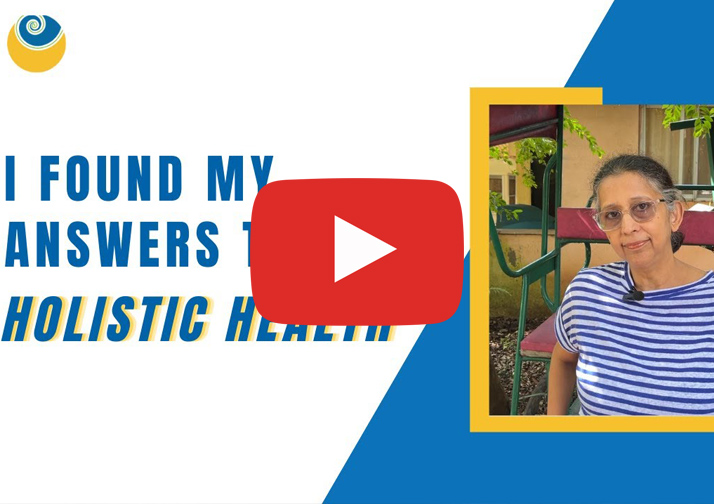
I found my answers to Holistic Health
|
|
|
Manjari Agarwal took the break to reconnect with herself at our 7-Day Health Retreat and found her answers!
|
|
|
|
|
|
|
|
|
|
|
|
|
Yes go ahead and treat yourselves to this healthy pizza – easy to make, yummy & guilt-free too!
|
|
|
|
|
|
Most of our events are online now, so you can join us from anywhere in the world. Click to know more…
|
|
|
|
|
|
|
What is SHARAN?
Sanctuary for Health and Reconnection to Animals and Nature (SHARAN) is a social enterprise with the goal of spreading awareness about holistic health and an ecologically sustainable compassionate lifestyle.
Compiled & Edited by:
This newsletter is compiled by SHARAN Head of Mumbai, Reyna K Rupani. She facilitates the Six Weeks to Health Gain & Weight Loss program and also conducts health talks for schools, groups, corporates and more.
June 2026 | Issue: 271
|
|
|
|