Today you will learn why you should supplement vitamin B12 and supplement or get adequate vitamin D. Vitamin B12 and vitamin D are important for everyone’s health—especially diabetics! Your vitamin B12 and vitamin D levels are likely to be low if you are not already taking supplements. You’ll also learn how prepare some delicious fermented dishes including red rice idli, dosa, or uttapam mau and dhokla.
Supplement vitamin B12
Vitamin B12 is a nutrient that helps keep the body’s nerve and blood cells healthy. Its needed to make DNA, and prevent anemia. Vitamin B12 deficiency can cause weakness, loss of memory, lethargy, acidity, weight loss, anaemia, neuropathies and even heart attacks and stroke. Diabetics are more prone to neuropathies anyway. Vitamin B12 is the only vitamin that is deficient in a whole food, plant-based diet today because only bacteria produce vitamin B12. Because of our super-hygienic lifestyles, we don’t get enough vitamin B12. In addition, vitamin B12 absorption is further diminished by metaformin, alcohol intake, and radiation from microwaves, mobile phones, and mobile phone towers. It’s important that you get vitamin B12 from supplements (injections or tablets).
We recommend 500 micrograms of vitamin B12 in the form of methylcobalamin (and not cyanocobalamin) per day if your level is low and 500 micrograms of vitamin B12 every alternate day if your level is normal. Excess vitamin B12 from supplements can cause gas, so make sure you only take the recommended dosage. If you have been eating a lot of animal products, including dairy products, you may not be able to absorb vitamin B12 and should get vitamin B12 injections.
Watch this video by Dr. Nandita Shah to learn about the importance of vitamin B12.
Key Points
- If you haven’t already, have your vitamin B12 level checked.
- If your vitamin B12 level is low, take supplements or injections:
- Less than 211 pg/ml: Take 10 injections with the help of your doctor.
- 211–400 pg/ml: Take 500 mcg of methylcobalamin every day.
- More than 400 pg/ml: Take 500 mcg of methylcobalamin every other day.
- Use your mobile phone less and don’t keep it next to you while sleeping.
- Avoid using a microwave
- Avoid Alcohol.
- Learn more about vitamin B12.
Supplement vitamin D
Vitamin D is needed to absorb calcium, can be stored in the body, and is provided by direct sunlight on the skin. Anything in between the sun and the skin—including clothes, windows, sunscreen, and even city pollution—will hamper the absorption of vitamin D. Vitamin D deficiency causes osteoporosis, cavities, muscle weakness, sleep disturbances, some kinds of cancer, depression, schizophrenia and even diabetes. In urban areas all over the world, vitamin D deficiency is extremely common.
Depending on your vitamin D3 level, we recommend you take 60,000 IU of vitamin D3 biweekly, weekly, or monthly or even just once in 2 months if the levels are good. Excess vitamin D from supplements can be toxic, so make sure you only take the recommended dosage.
Watch this video by Dr. Nandita Shah to learn about the importance of vitamin D.
Key Points
- If you haven’t already, have your vitamin D level checked.
- If your vitamin D level is low, take supplements:
- Less than 10: Take 60,000 IU of vitamin D3 twice a week for two weeks and then one every week for 10 weeks and recheck.
- 10–20: Take 60,000 IU of vitamin D3 every week for 10 weeks
- 20–30: Take 60,000 IU of vitamin D3 every week for six weeks
- 30–50: Take 60,000 IU of vitamin D3 once a month, every other month, or as needed.
- Try to spend a half hour in direct sunlight every day.
- When you go on holiday to an unpolluted, natural environment, make sure you sunbathe.
- Learn more about vitamin D.
Fermented food like curd, idli, dosa, and some pickles can provide some vitamin B12, but they may not be enough by themselves to keep vitamin B12 levels normal. Today you’ll learn how to prepare some delicious fermented dishes including red rice idli, dosa, or uttapam mau and dhokla.
Fermented breakfast alternatives (Red Rice Idli, Dosa, Uttapam Mau)
Learn how to prepare red rice idli, dosa, or uttapam mau—a delicious, whole food alternative to this traditional, fermented South Indian breakfast dish.
Red rice idli, dosa, or uttapam mau recipe

KEY INGREDIENTS
Red Rice Idli, Dosa, or Uttapam Mau:
- 2 cups whole red rice
- ½ cup whole black urad daal
- 1 teaspoon fenugreek (methi) seeds
- Salt to taste
Peanut curd Buttermilk
Learn how to prepare a plant-based version of South Indian buttermilk. North Indians would call this a savoury lassi, but the tempering at the end gives the South Indian version a delicious flavour. Try this recipe
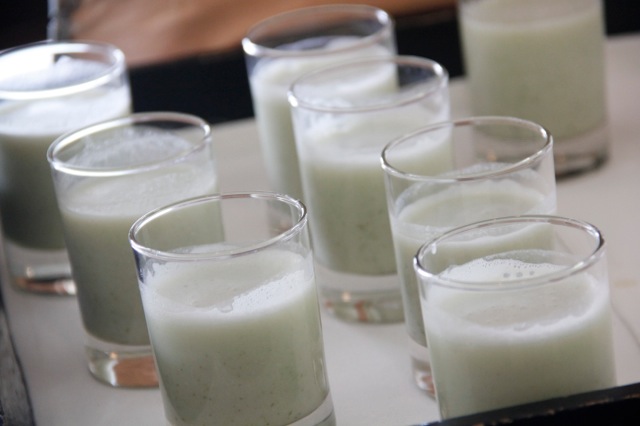
KEY INGREDIENTS
South Indian Buttermilk:
- 1/2 cup peanut curd
- 1 glass water
- 3–4 curry leaves
- 1/4 tbsp mustard seeds
- a pinch of asafetida
- sea salt to taste
Dhokla, Dhokla Sandwich
Dhoklas are versatile and make a lovely bread alternative which is both healthy and delicious and easy to make. Try this recipe
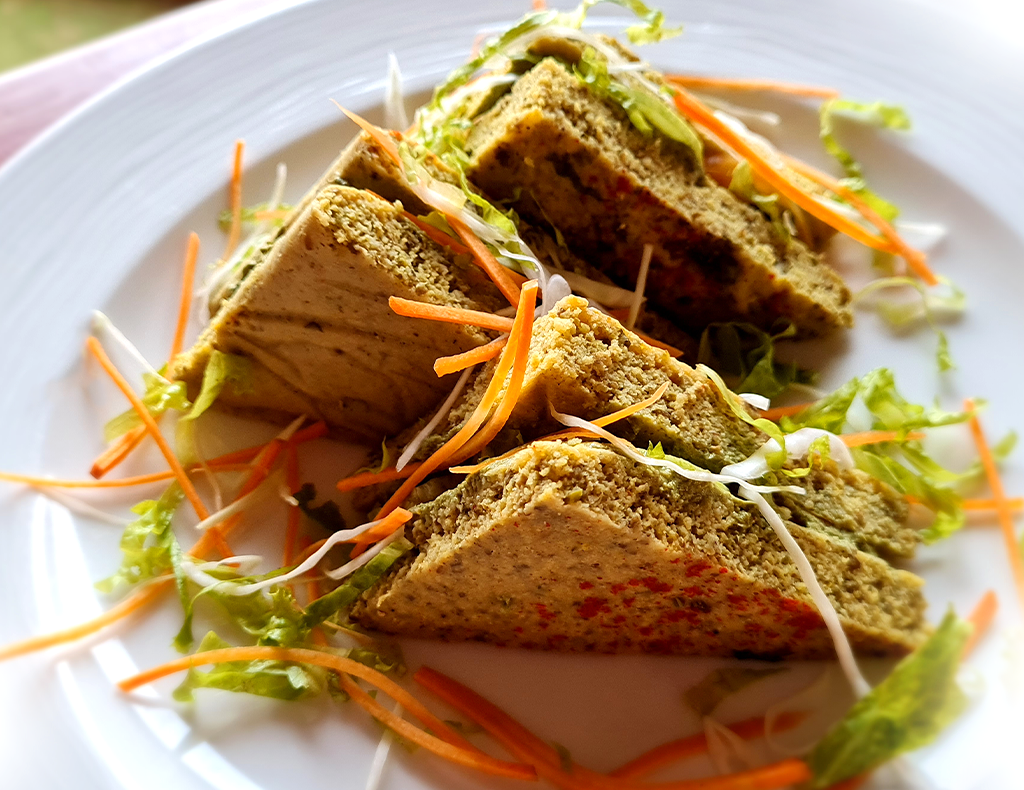
KEY INGREDIENTS
Dhokla, Dhokla Sandwich:
- 1 cup urad dal (skinless), washed and rinsed
- 1 cup moong dal (skinless), washed and rinsed
- salt to taste
Eera Arora never realized that her vitamin B12 and D levels were low. After taking supplements her pains reduced and sleep improved.
“ I had no idea that my vitamin B12 and D were so low!”